The Workers History
Our Story
A Journey Through Time
The history of the City of Mildura and the Mildura Working Man’s Club spans over 125 years and we can reflect on one of Australia’s amazing colonisation stories. The history of our Club is one of the few in the world which runs parallel with its own town’s history.
Founding of the Club
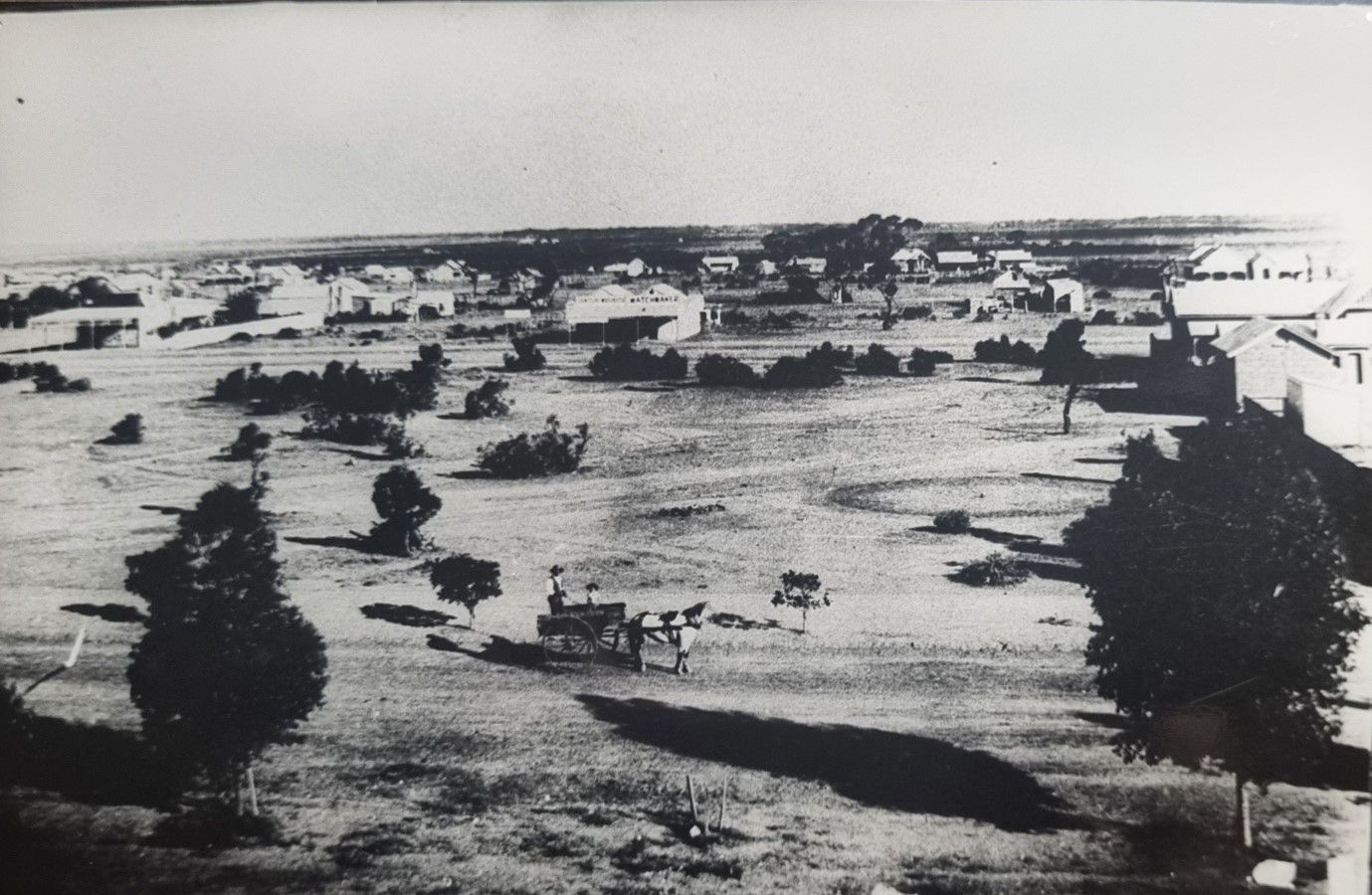
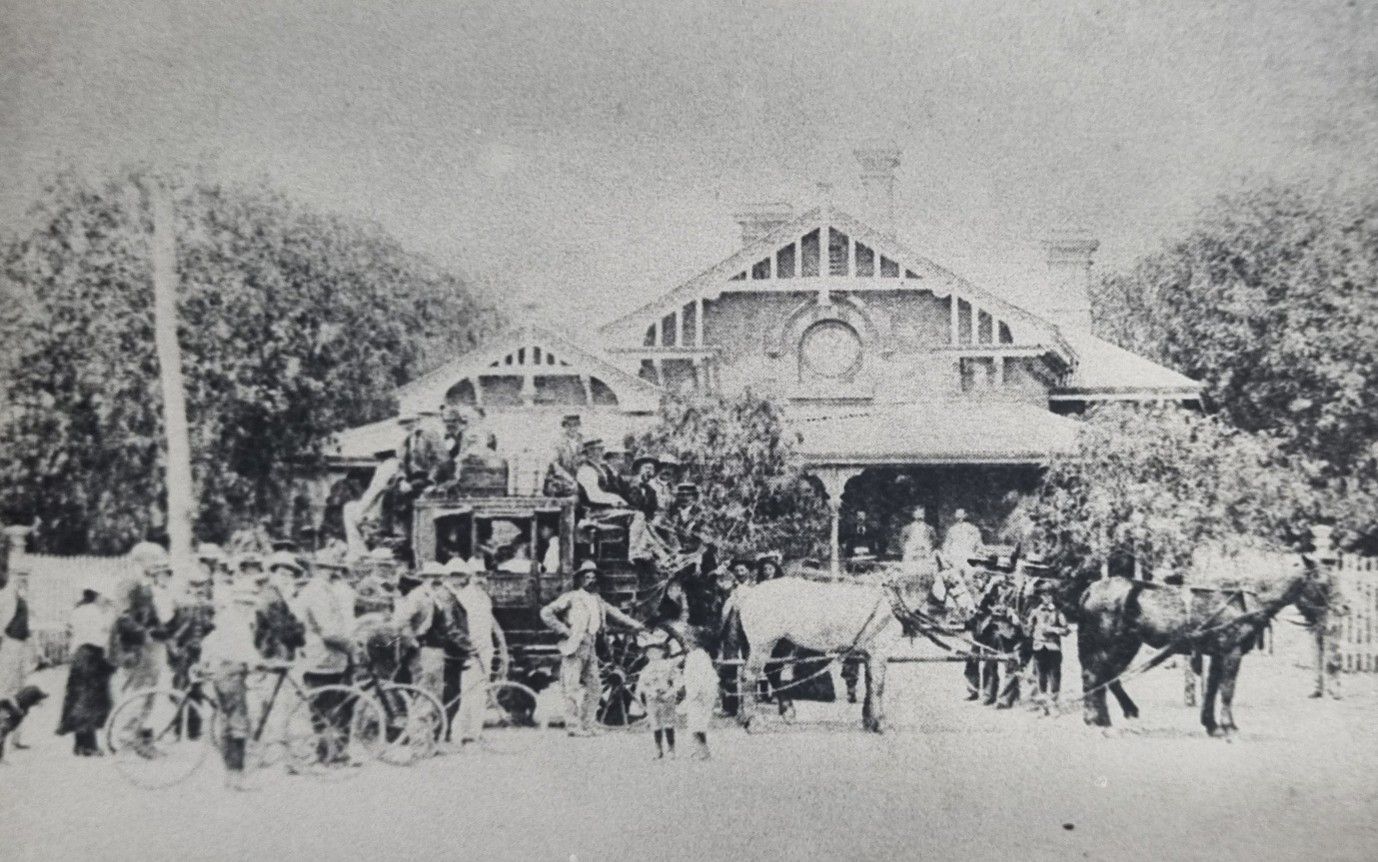
The Mildura Working Man’s Club (MWMC) was established in August 1894 by 59 members. MWMC was created to serve the district’s labourers, particularly those working on irrigation channels and land clearing, who were often excluded from other local venues. The founding motto: “As long as you worked, you could join to be a member.”
Founding Members
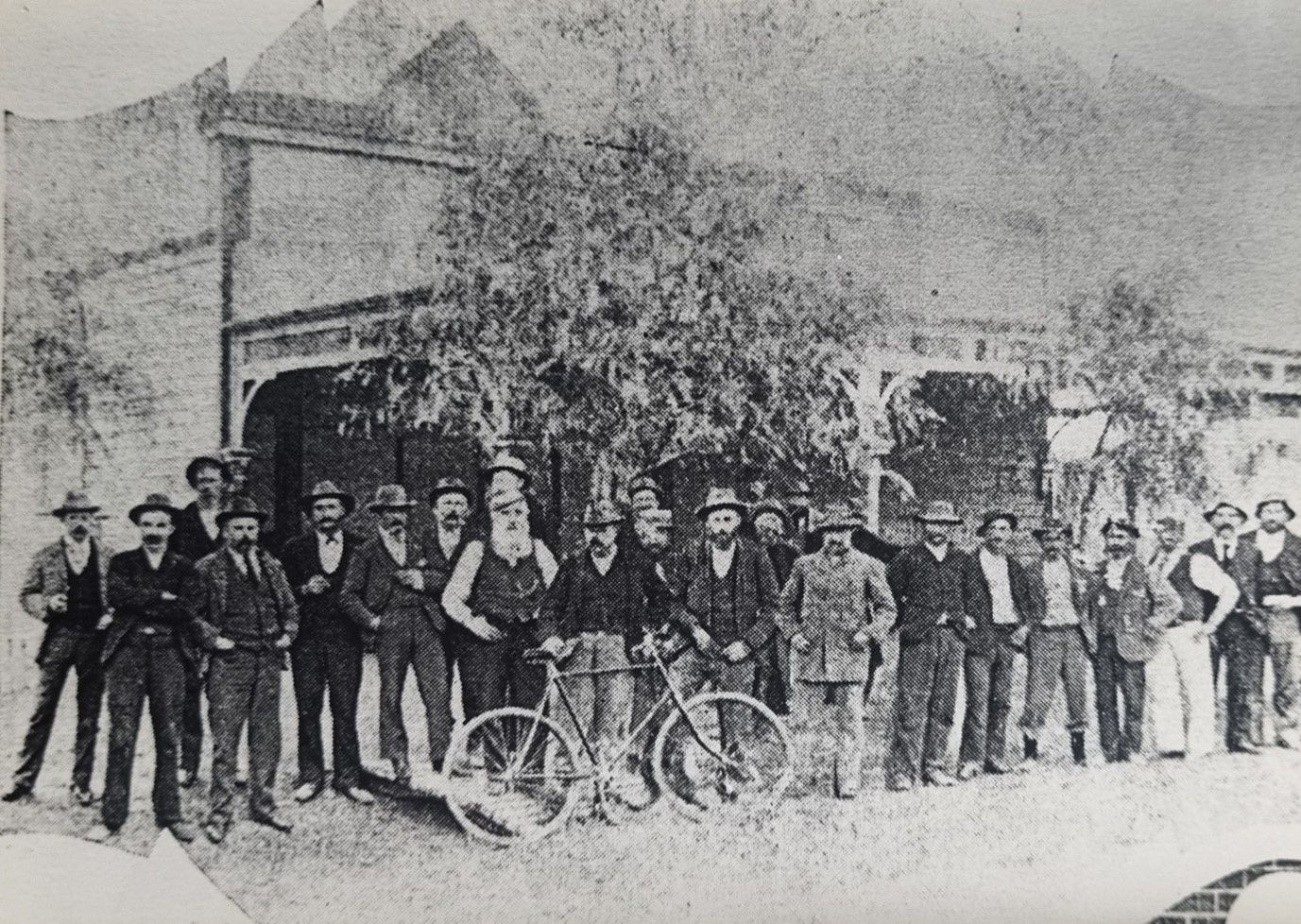
The founding members purchased a residential property on the corner of Madden Avenue and Eighth Street and converted it into the Club’s first premises. Some of those keen to see the club established were Messrs. J.H.A Muller, H.J Hansen, T.R Benham, J. Cox, H.C. Howard, J.A Hogg, C.W.K Kemp, J.J. Keil, G. Leonard, F. Leonard, T.A. Allen, J. Pullar, T. Player, E.C. Reed, H.J. Smith, J.S. Smith, W. Valentine, R. Wallace, G. Wittman, J. Lowrie, J.W. Green, W. Patterson, W, Perriton, Mr. Lambert and H.J Nash
Liquor License Granted
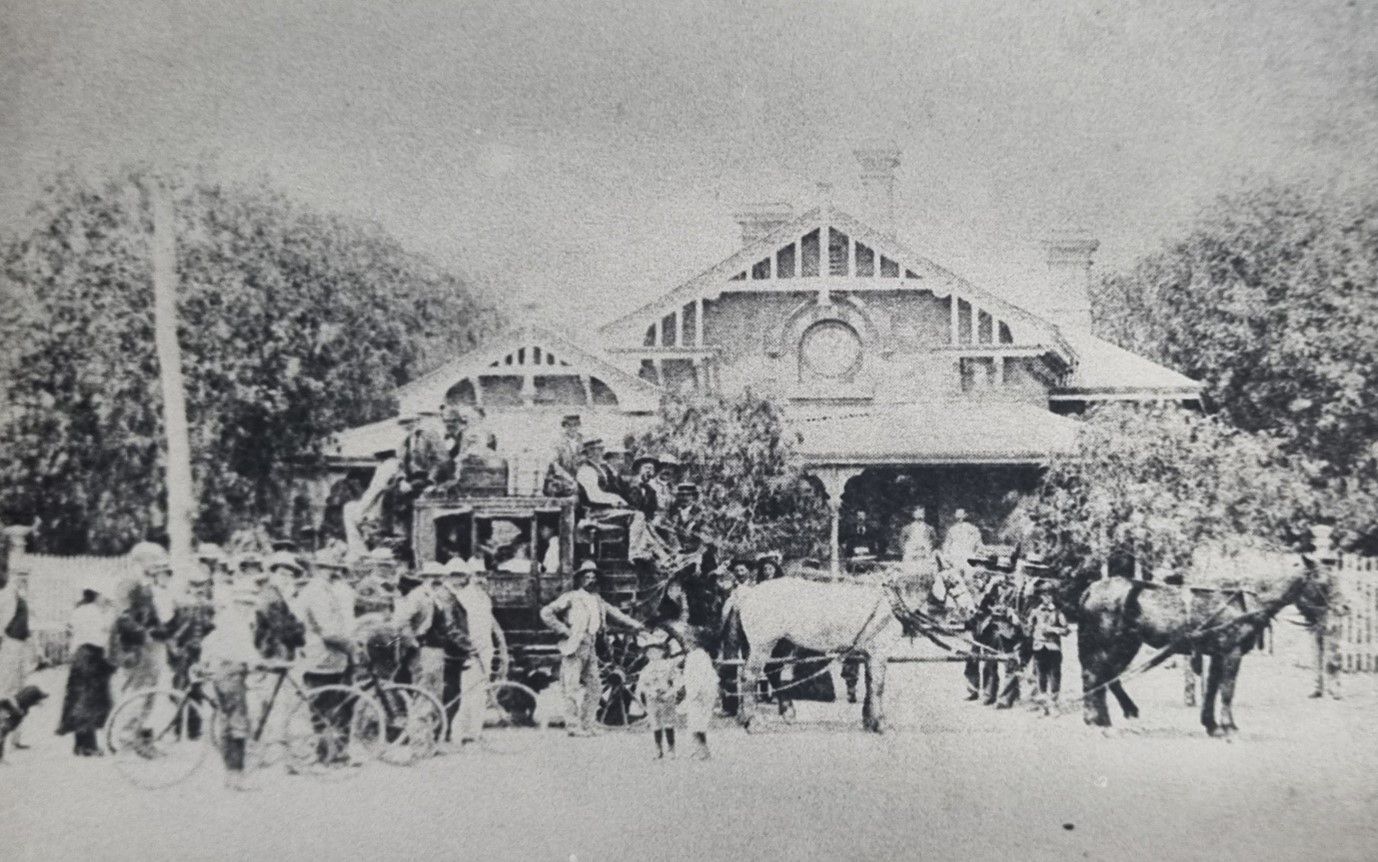
The Club was granted its liquor license in on Monday, 20th January, 1895. However, a regional shortage of beer, due to low water levels in the Murray River, delayed the supply. Relief came in June, when the Paddle Steamer Nile captianed by “Jock” Innes arrived from Echuca towing the barge Naomi, delivered 40 tons of liquor to Mildura and supplies for the fruit growers, replenishing the town’s stock.
Expansion to a New Venue
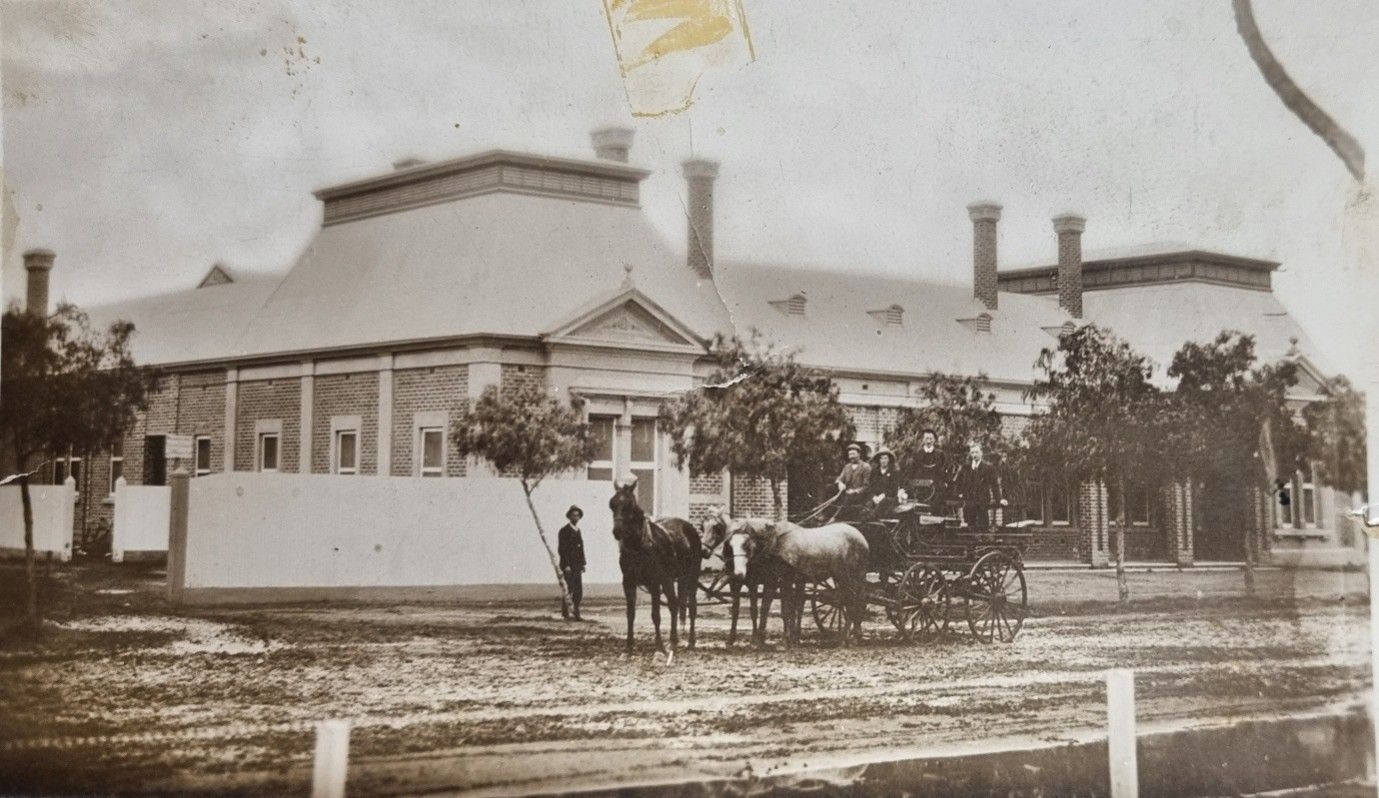
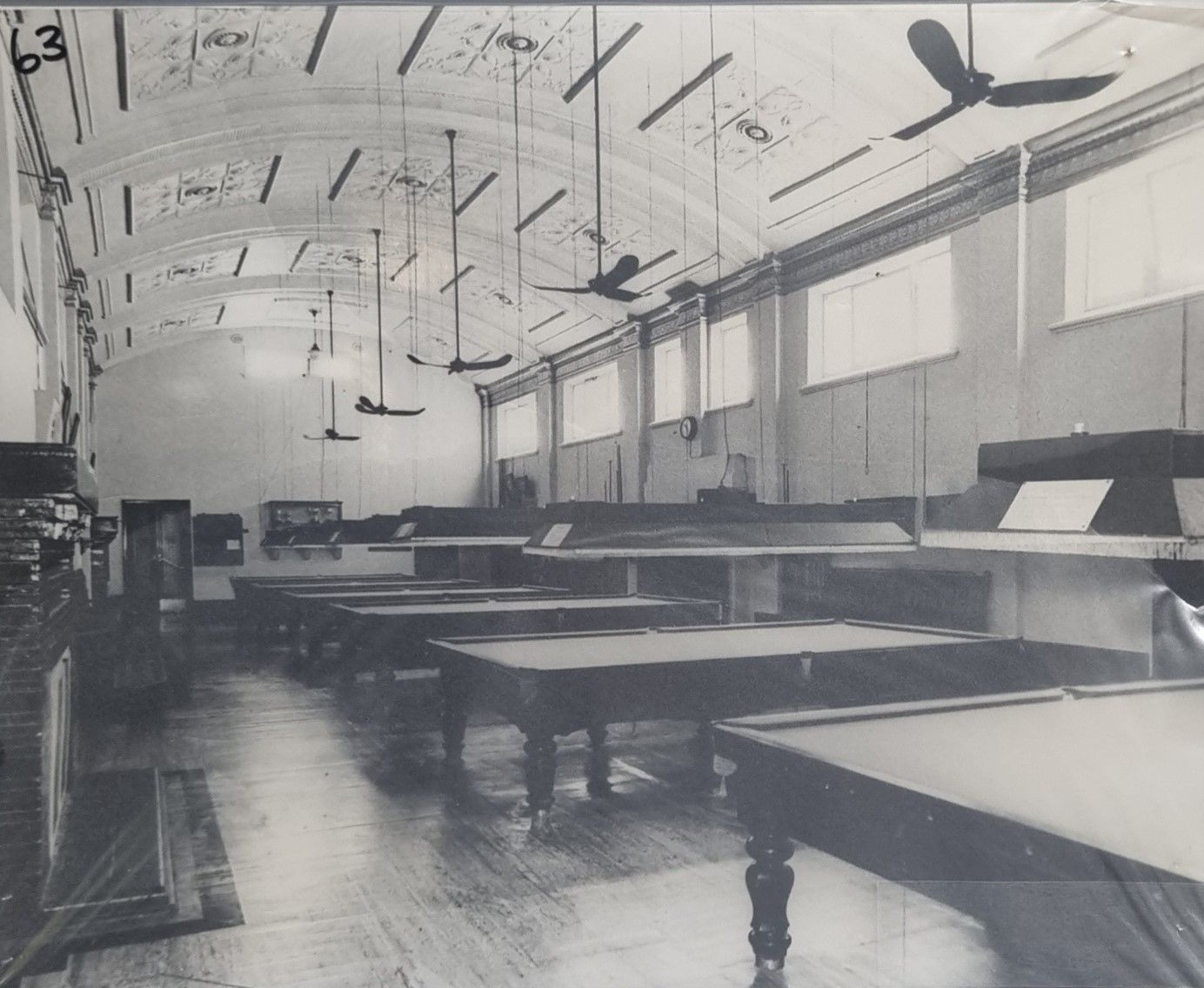
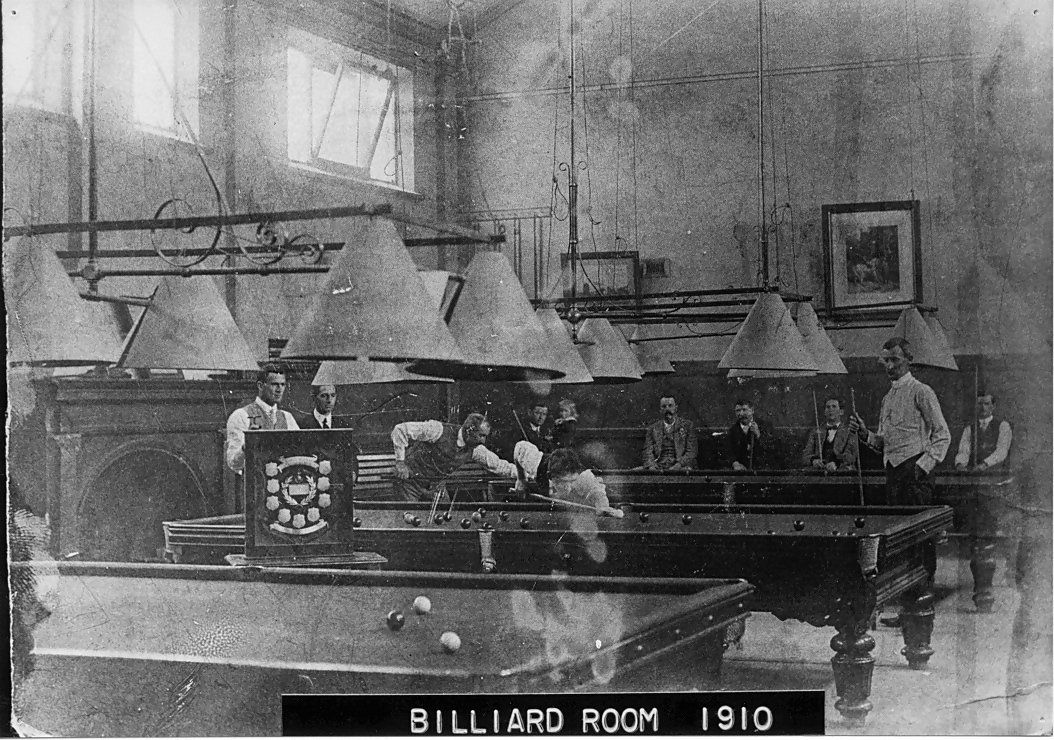
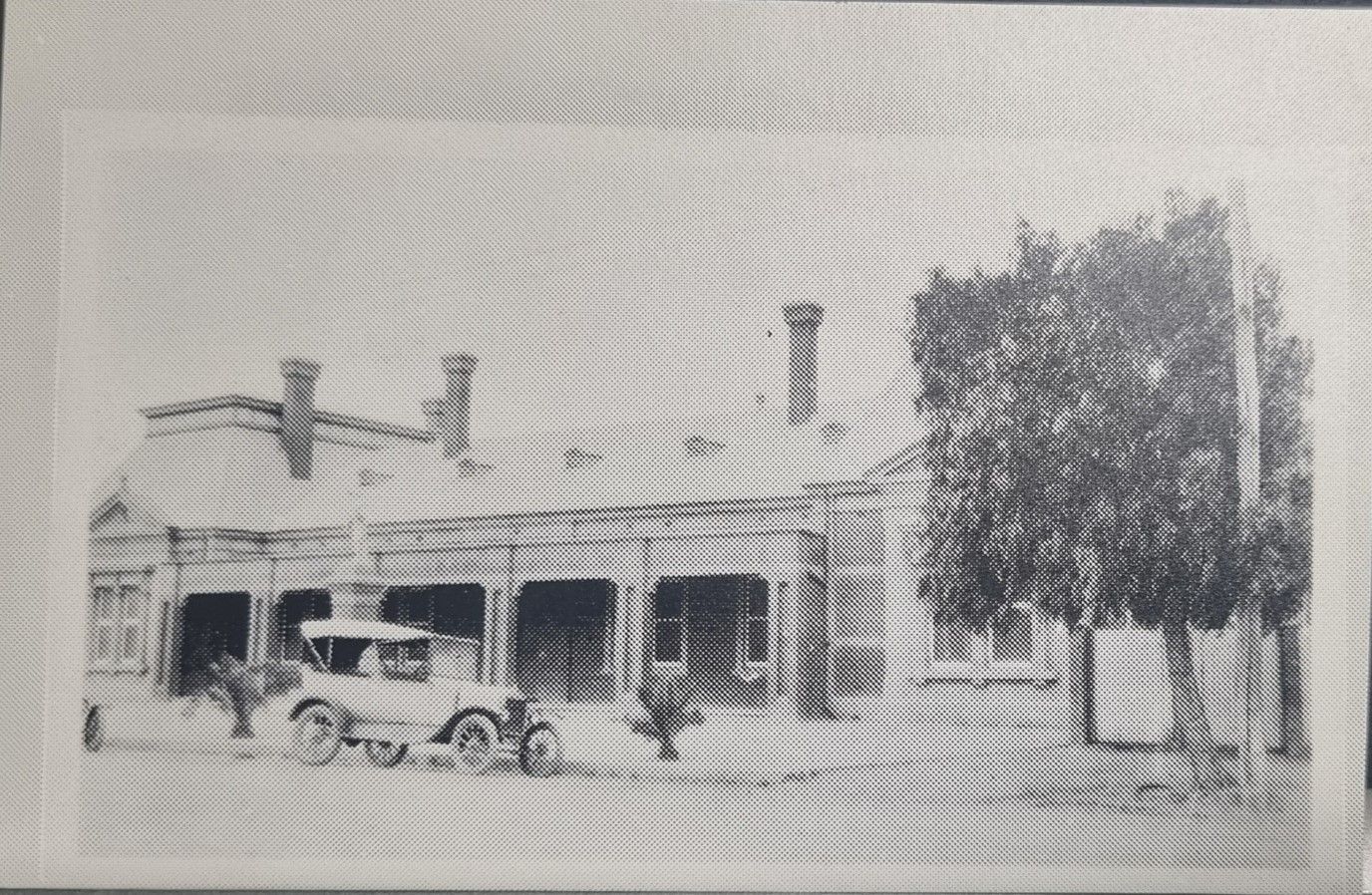
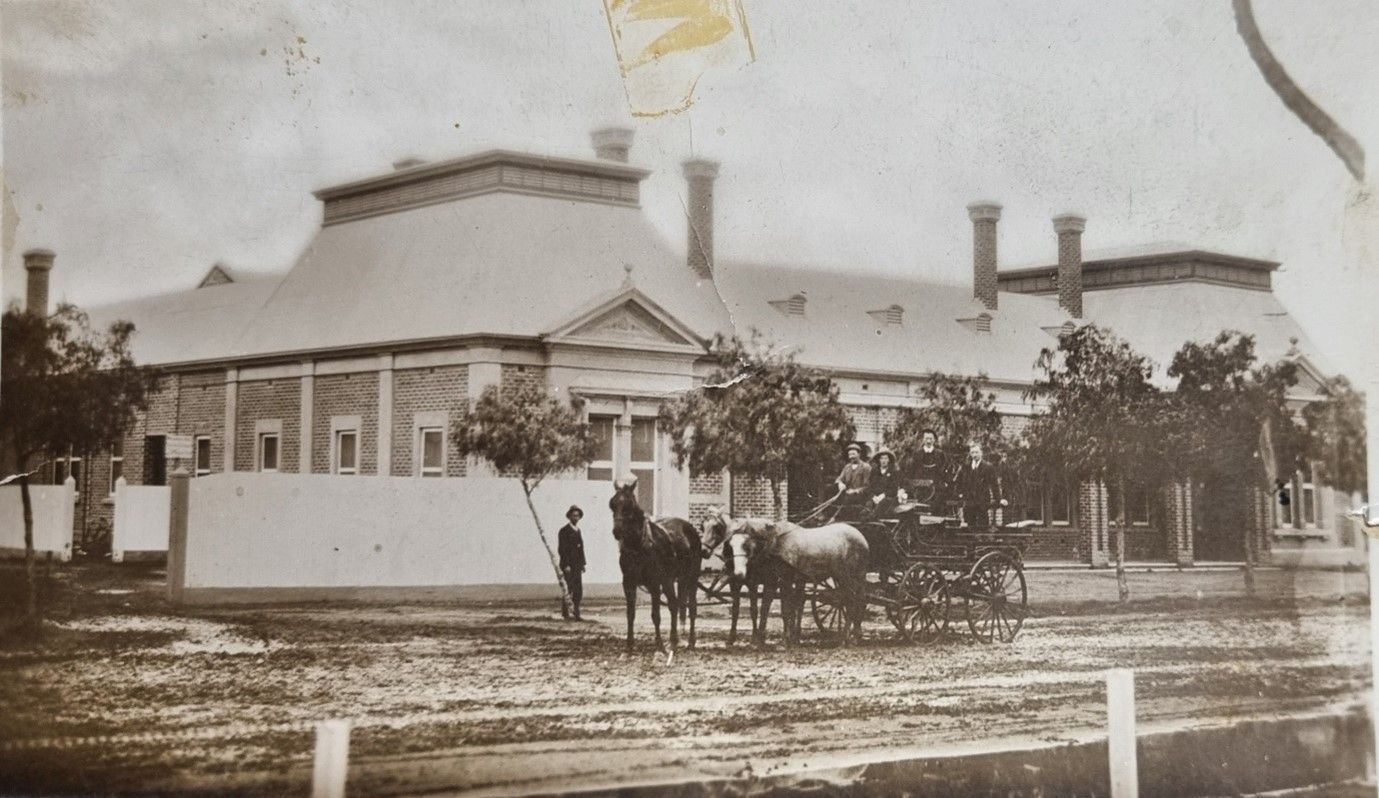
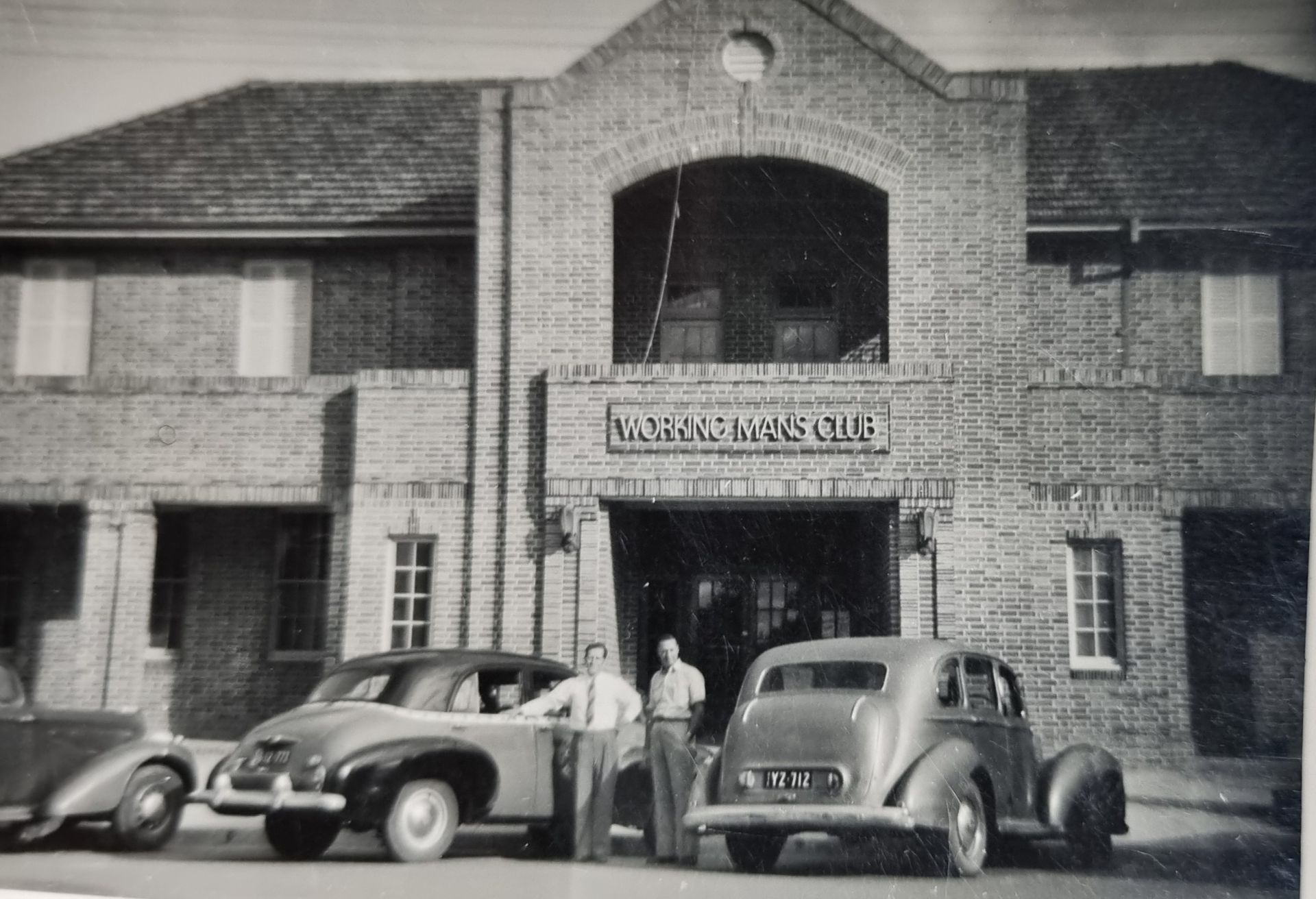
To accommodate a growing membership, the Club purchased land on Deakin Avenue and constructed a purpose-built clubhouse. Officially opened in August 1908, the new premises included stables, card rooms, a bar, and a billiards room featuring ornate pressed tin ceilings.
Post-War Expansion
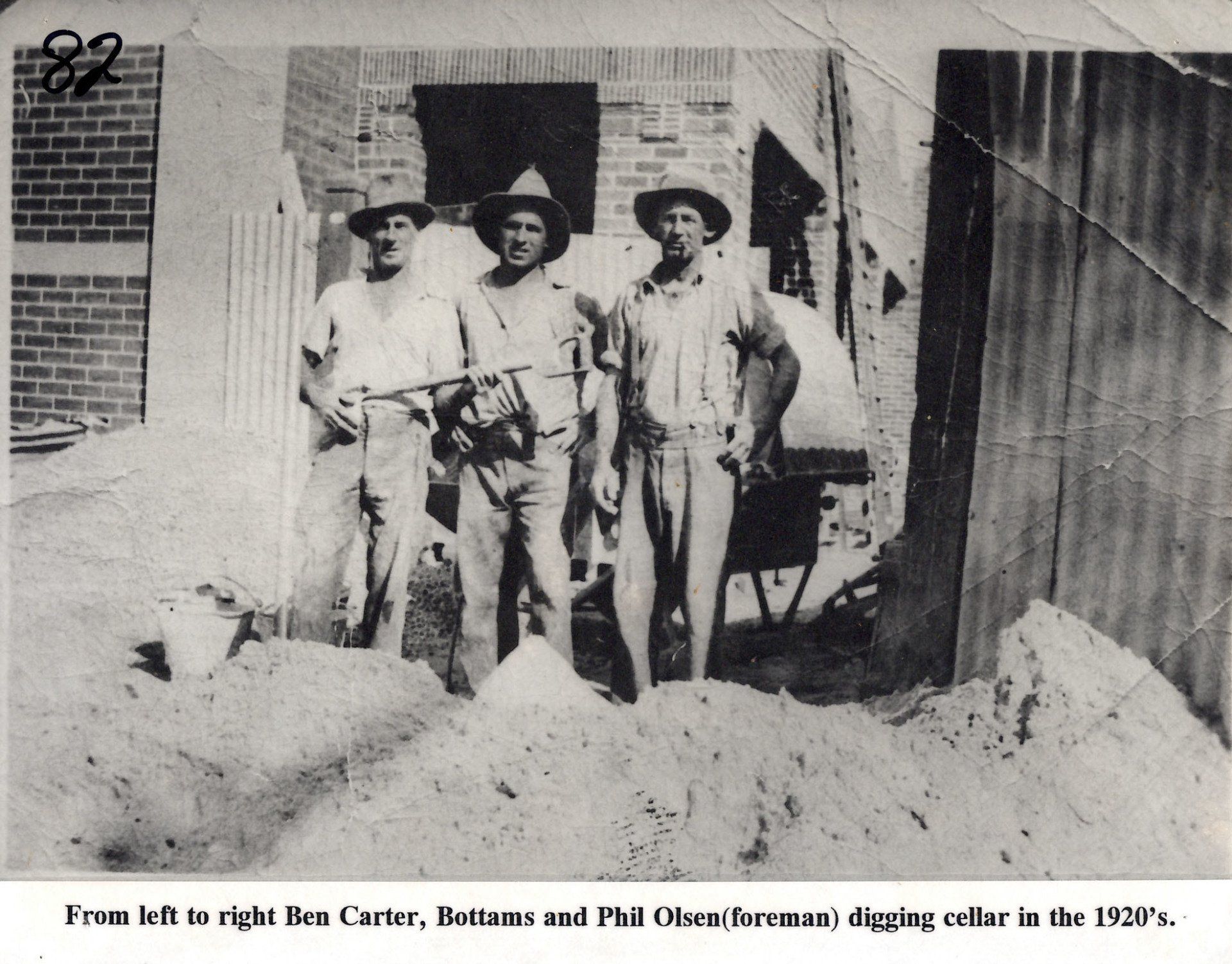
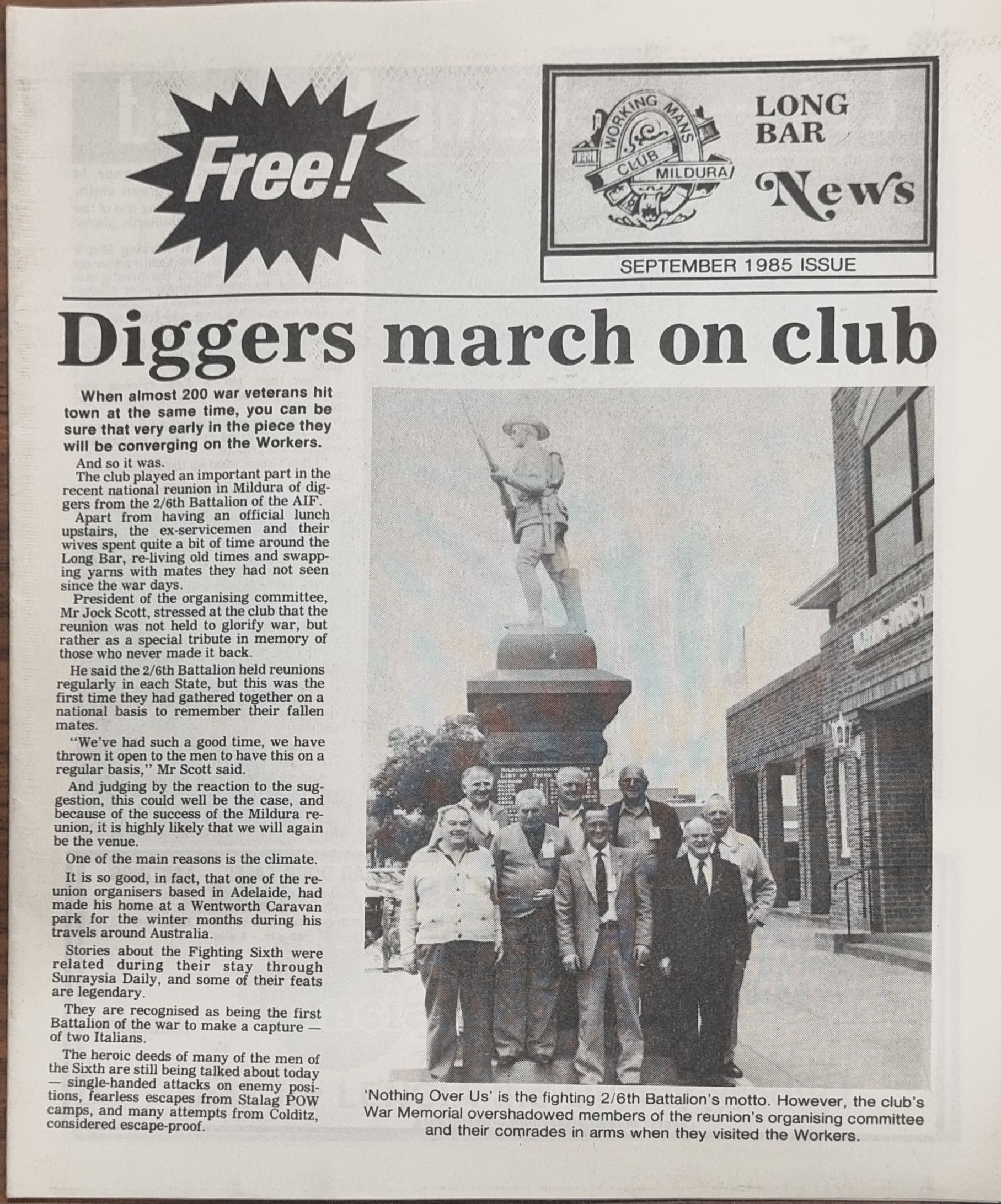
In the aftermath of World War I, work commenced on an expansive underground cellar. A war memorial was unveiled on 10 March 1920 to honour the contributions of local servicemen, including the 243 club members who served.
Addition of the ‘Ladies’ House
Before this time, women were not permitted inside the Club and often had to wait outside in carriages in the unforgiving Mildura weather. In response, a separate “Ladies’ House” was built on an adjoining property. It would take until 1962 for women to be granted associate membership with limited access.
First Major Renovations
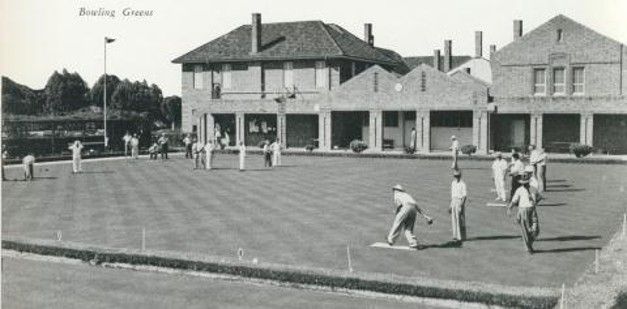
To manage growing patronage, the Club added a second floor to the Deakin Avenue premises. The club membership soared during this period and by mid-1935 its membership had reached 1800. This year also saw the official opening of the Mildura Working Man’s Club Bowling Greens adjacent to the Club.
Construction of the Original Long Bar
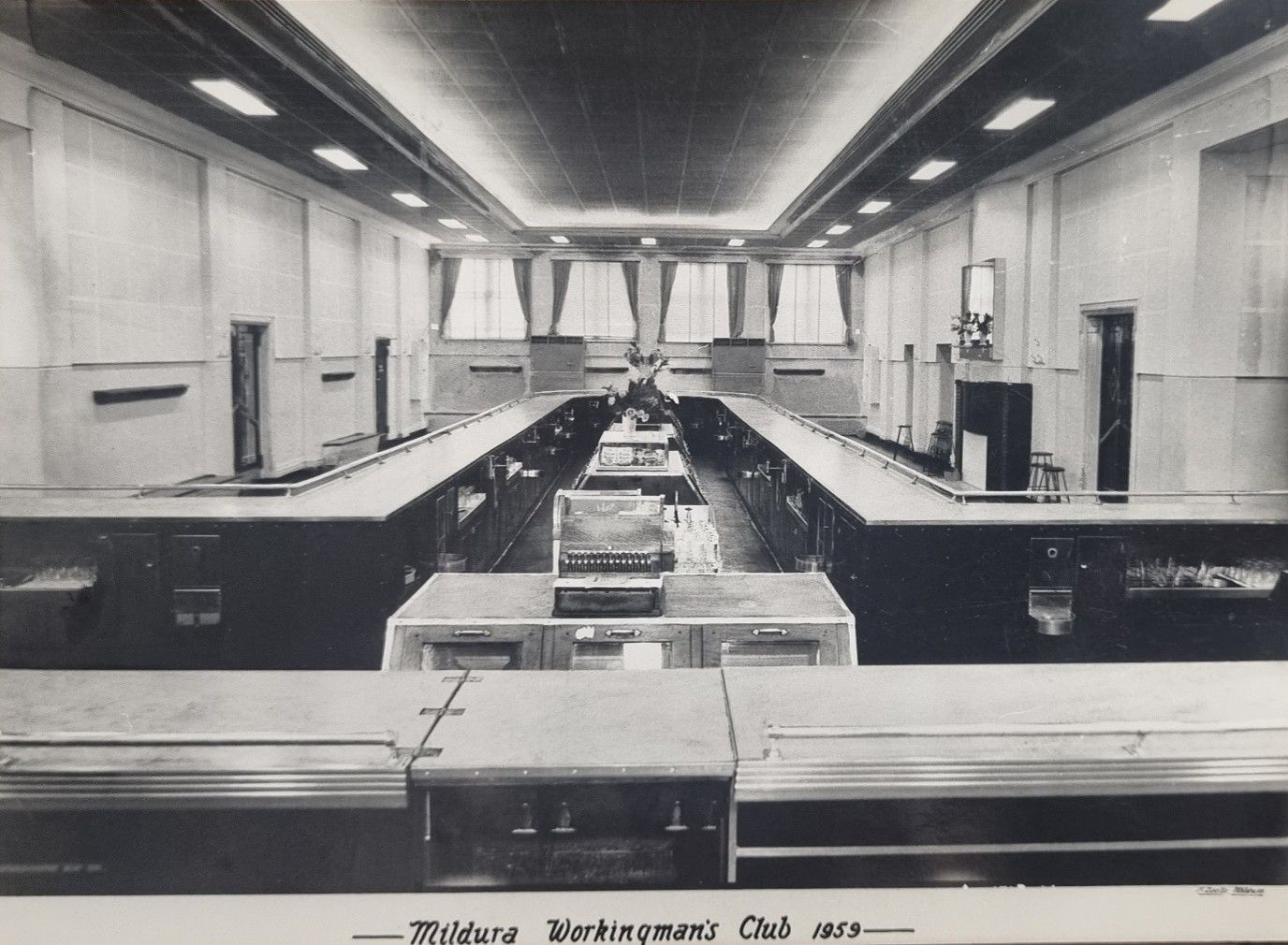
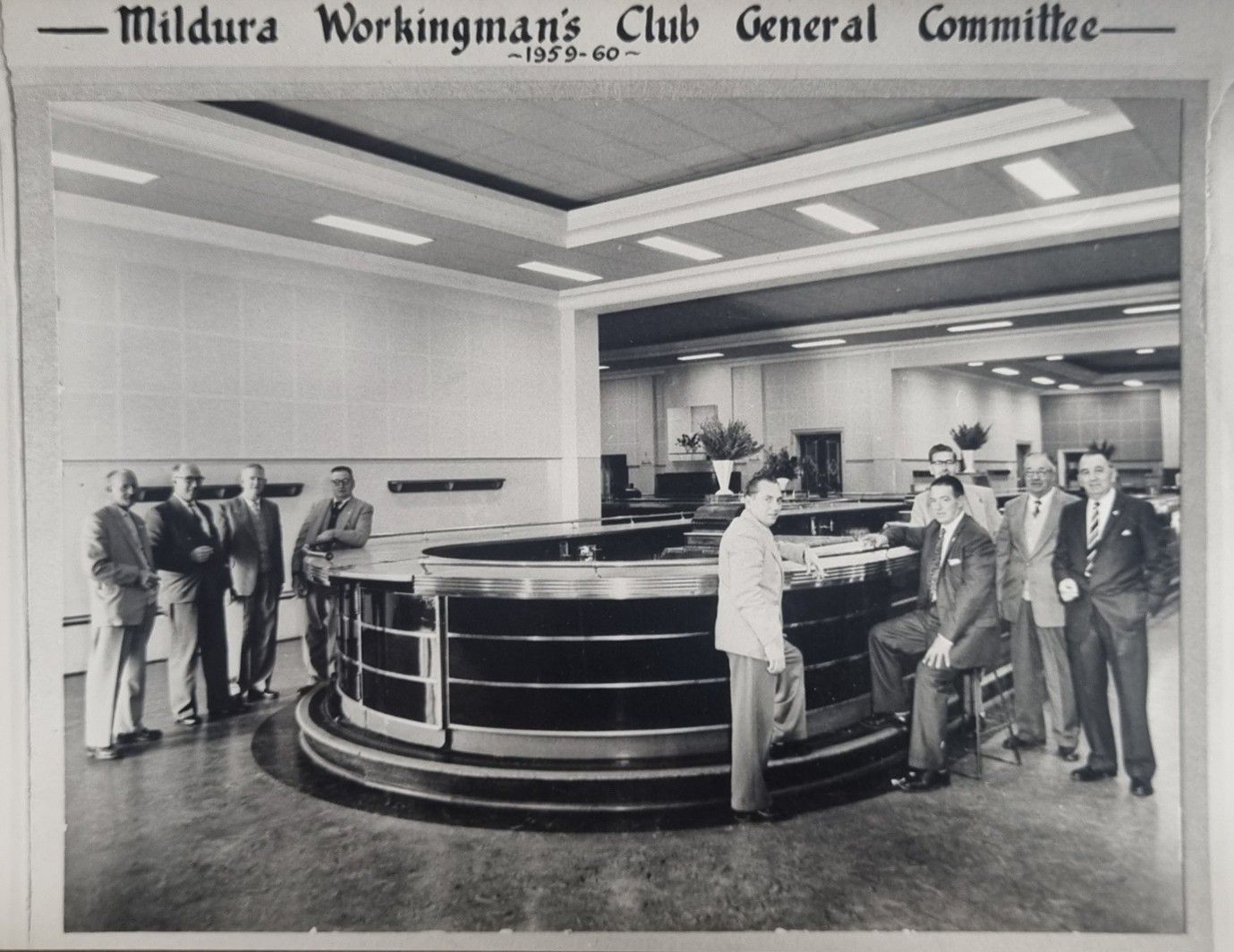
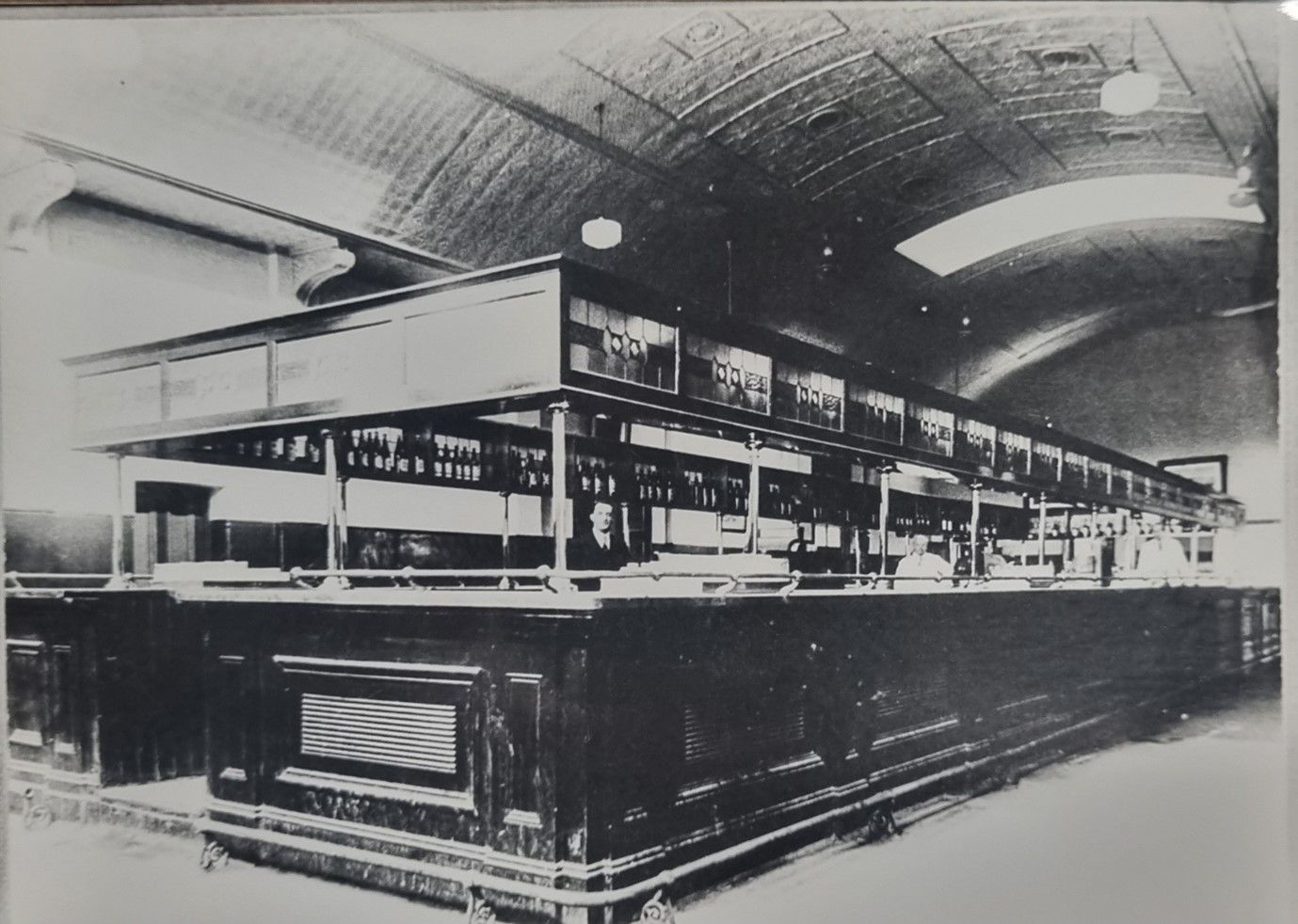
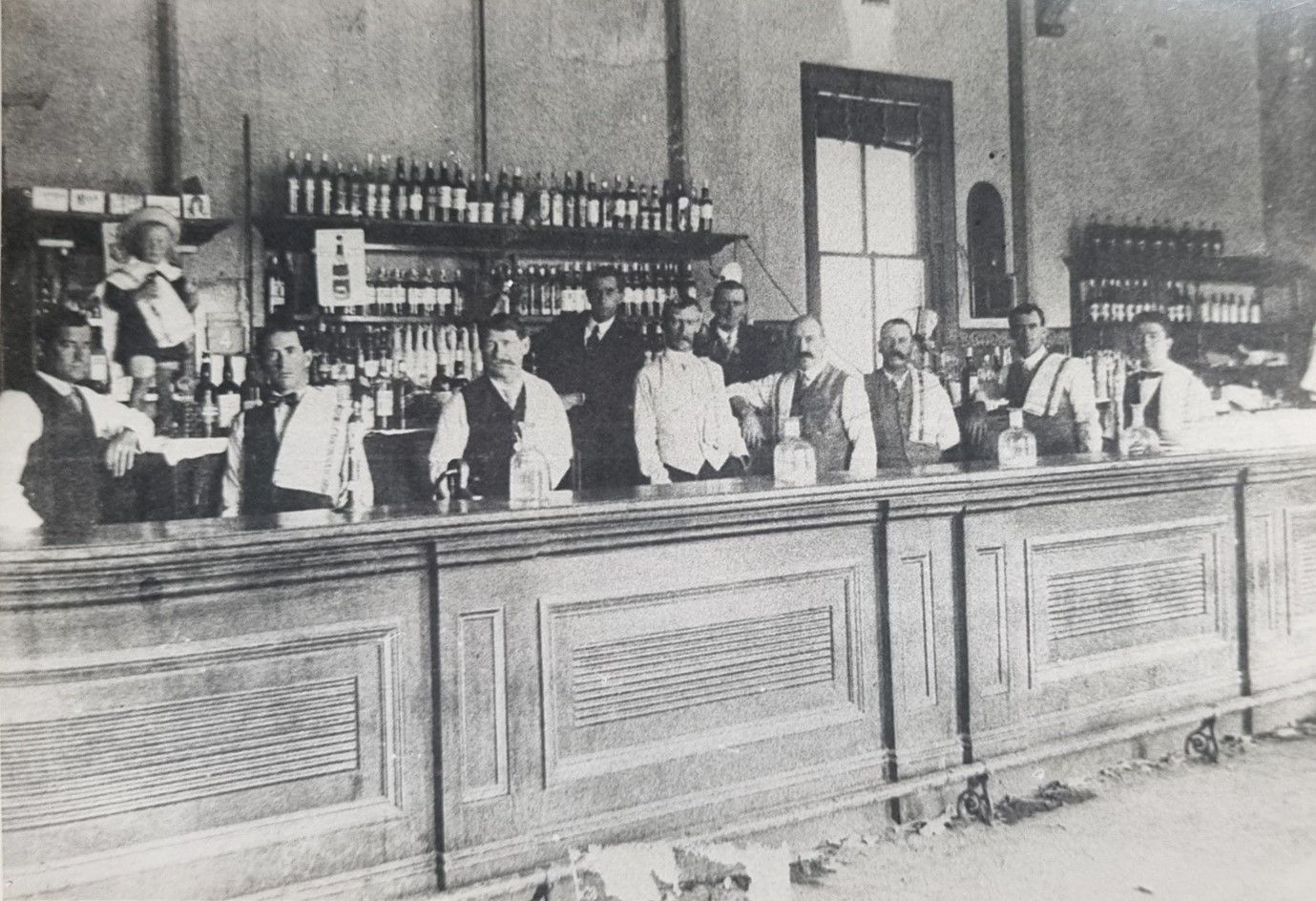
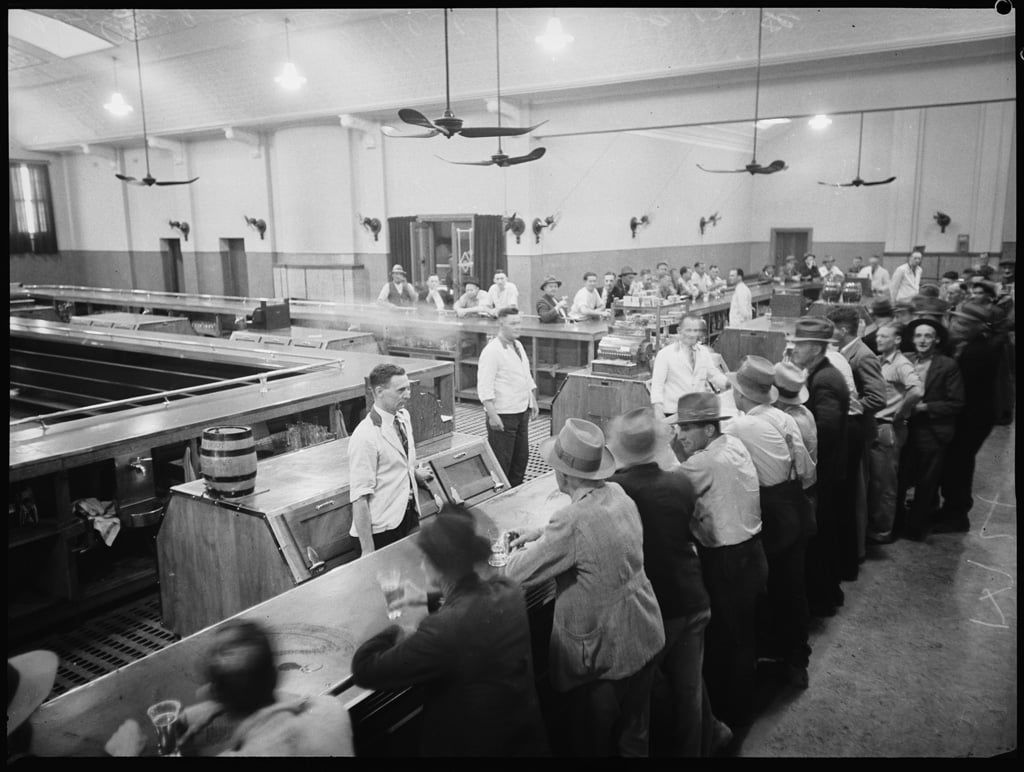
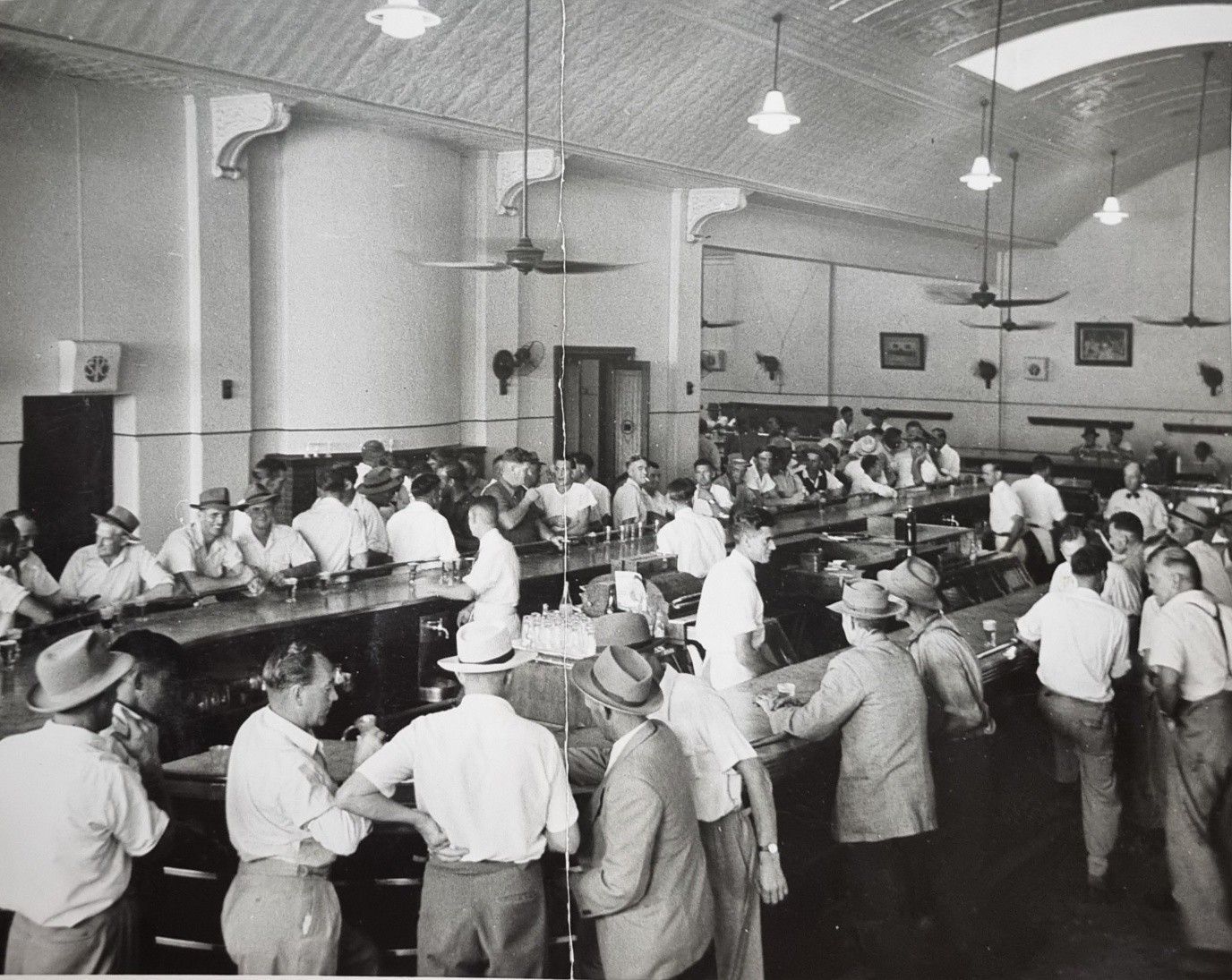
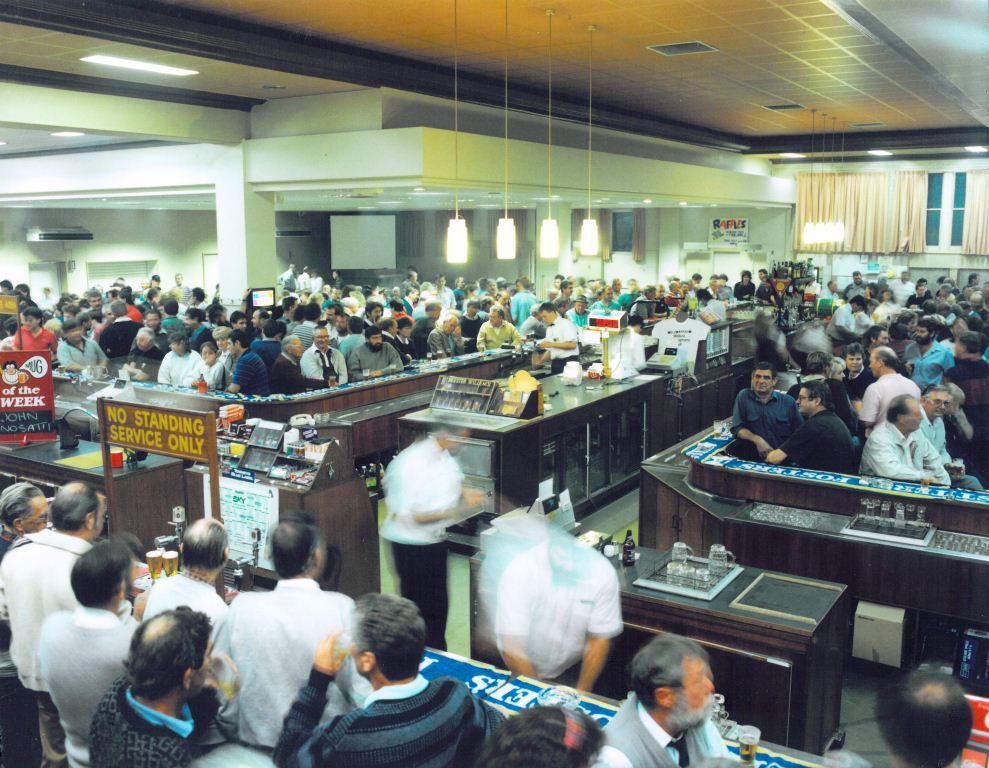
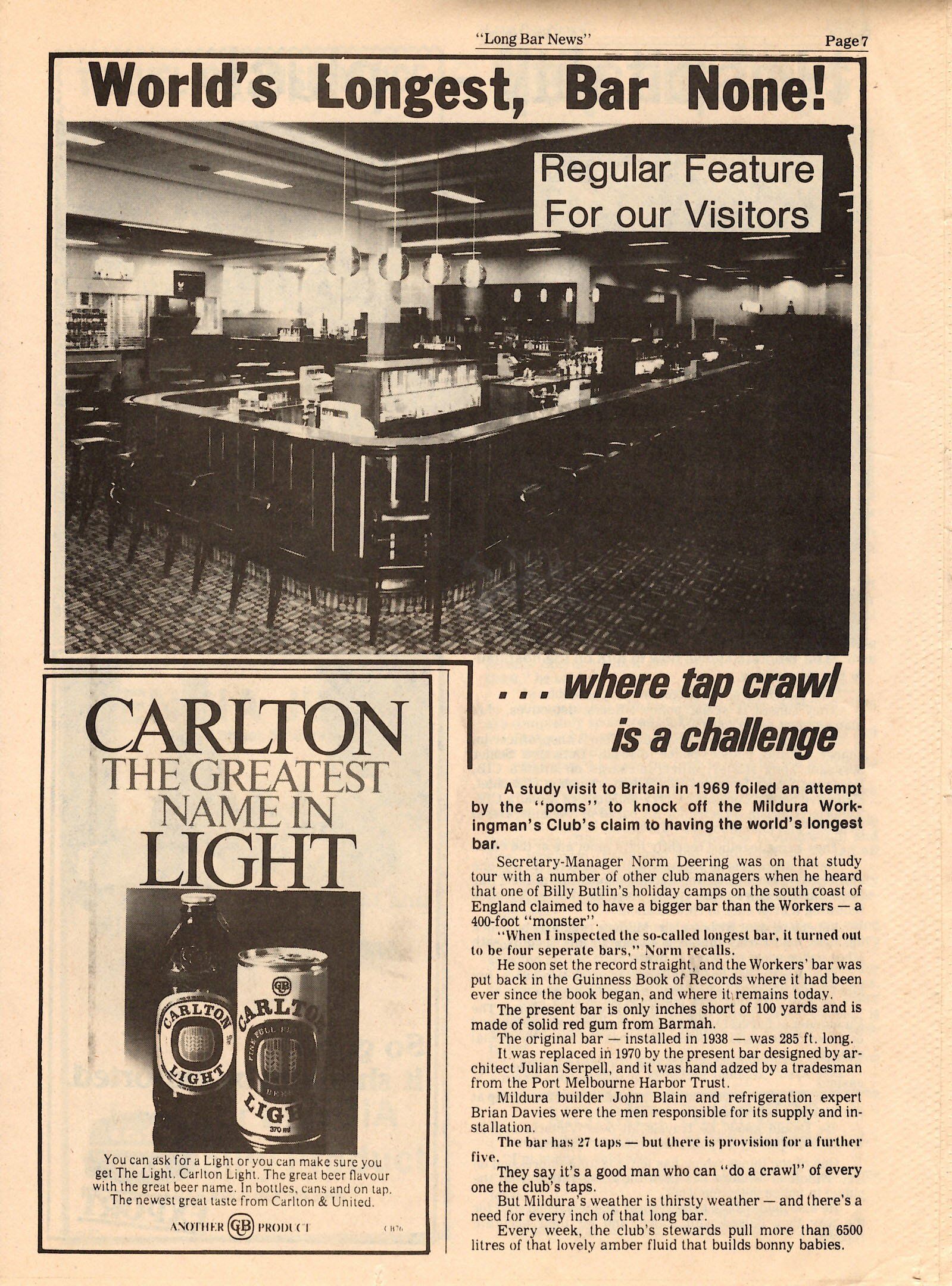
The Club built its now-iconic island bar in a unique “T” shape, measuring an impressive 86.8 meters. This Long Bar would become central to the Club’s identity and a key point of pride.
Beer Shortages
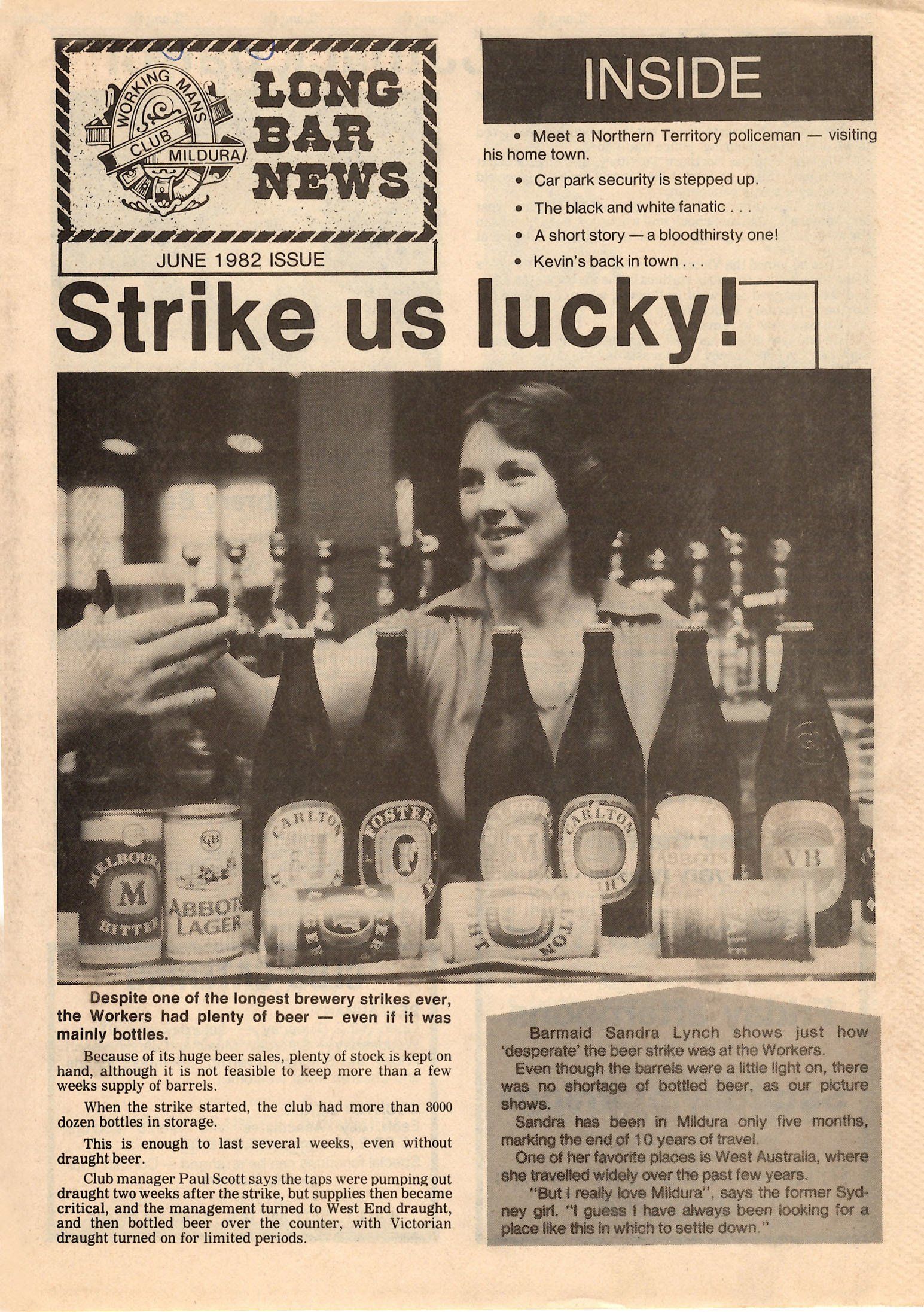
On two occasions, industrial strikes led to statewide beer shortages. Despite this, the Club remained operational by continuing to serve spirits and soft drinks. By the early 1950s, brewery rationing ended, contributing to improved profitability.
Guinness World Record
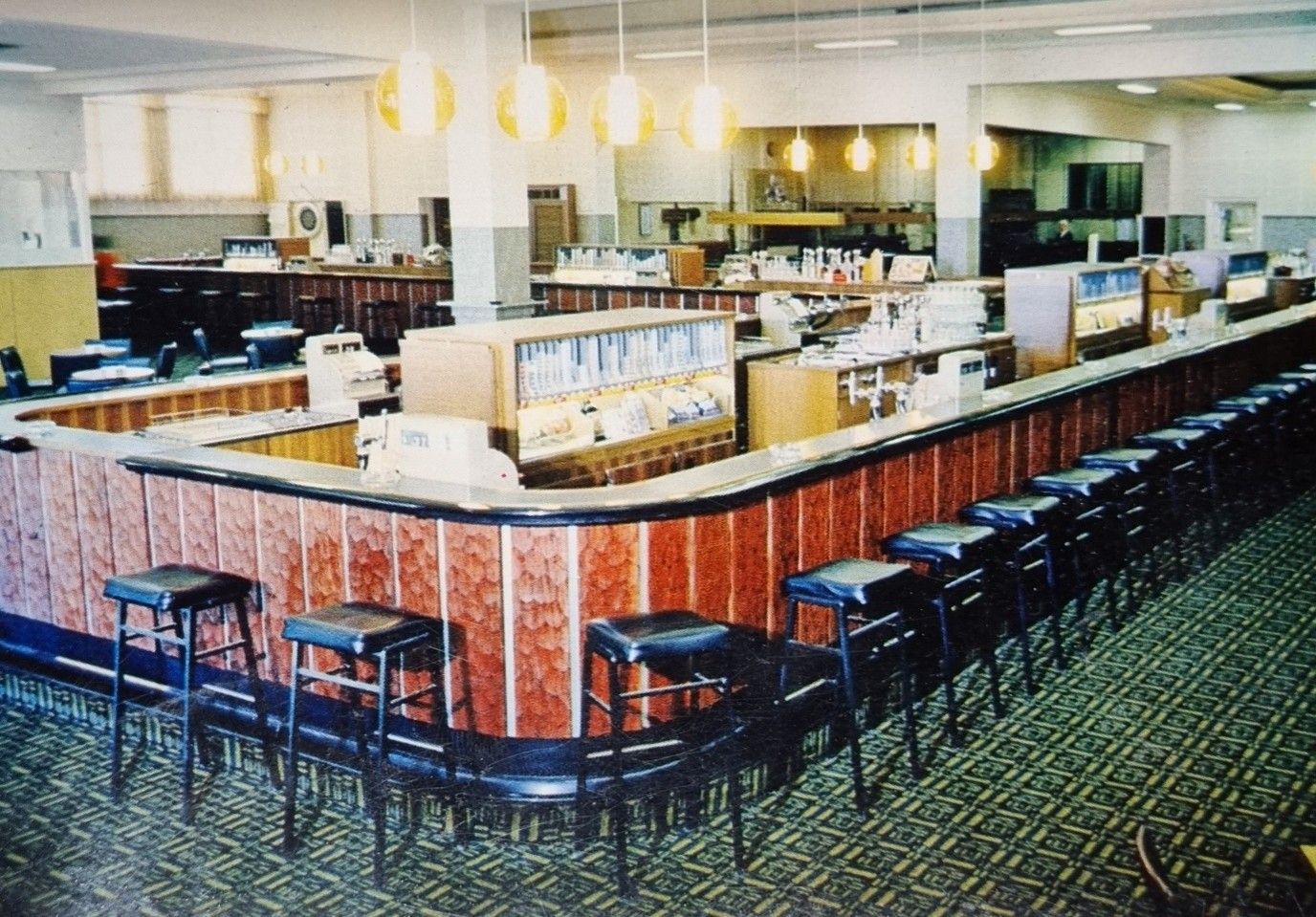
The Long Bar was extended to include a distinctive “hook,” achieving a world record for the longest continuous bar at 90.8 meters. Constructed from redgum timber sourced from the Barmah Forest, the bar boasted 27 beer taps and required up to 30 bartenders to serve the bustling crowds.
Full Access Granted to Women
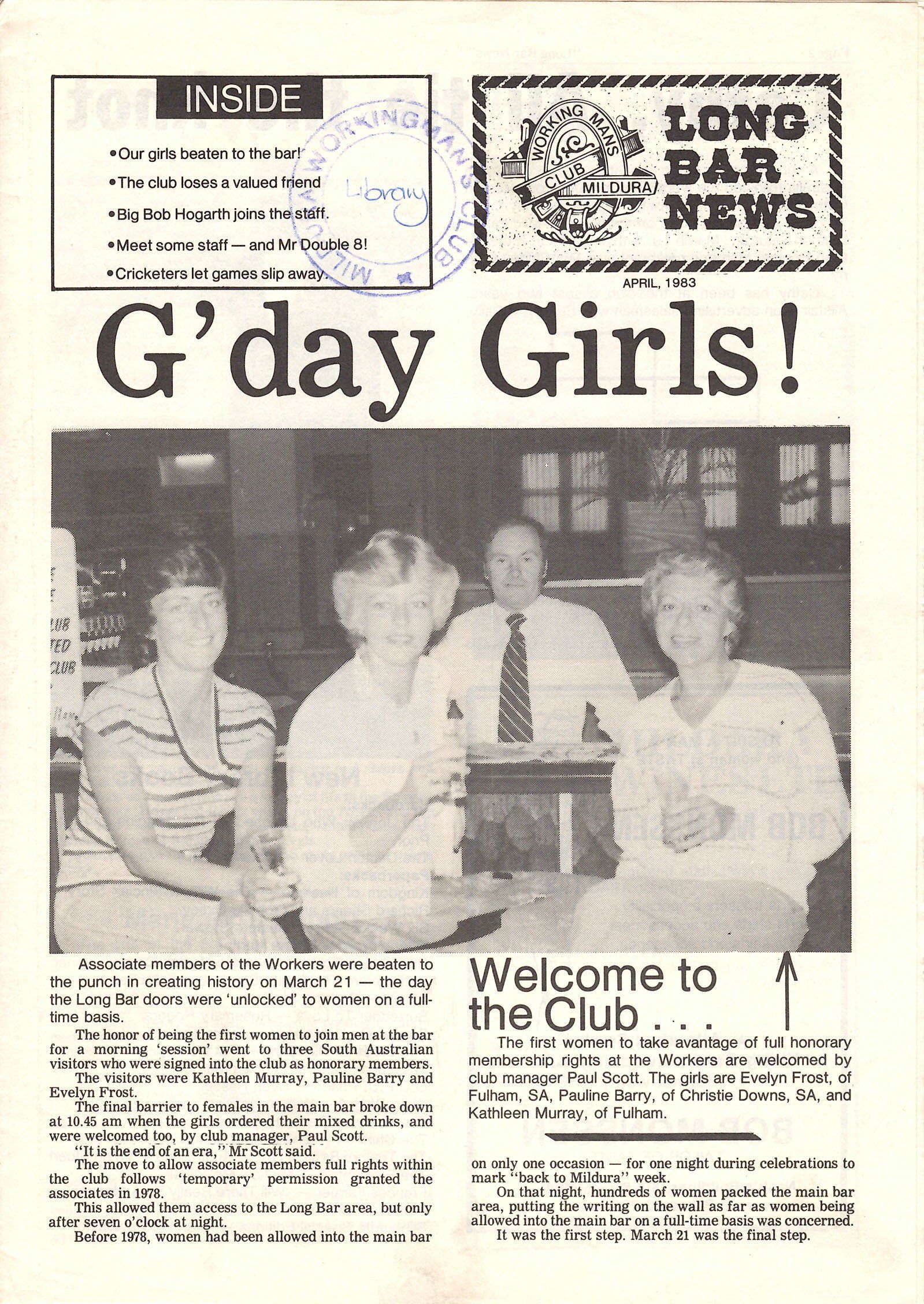
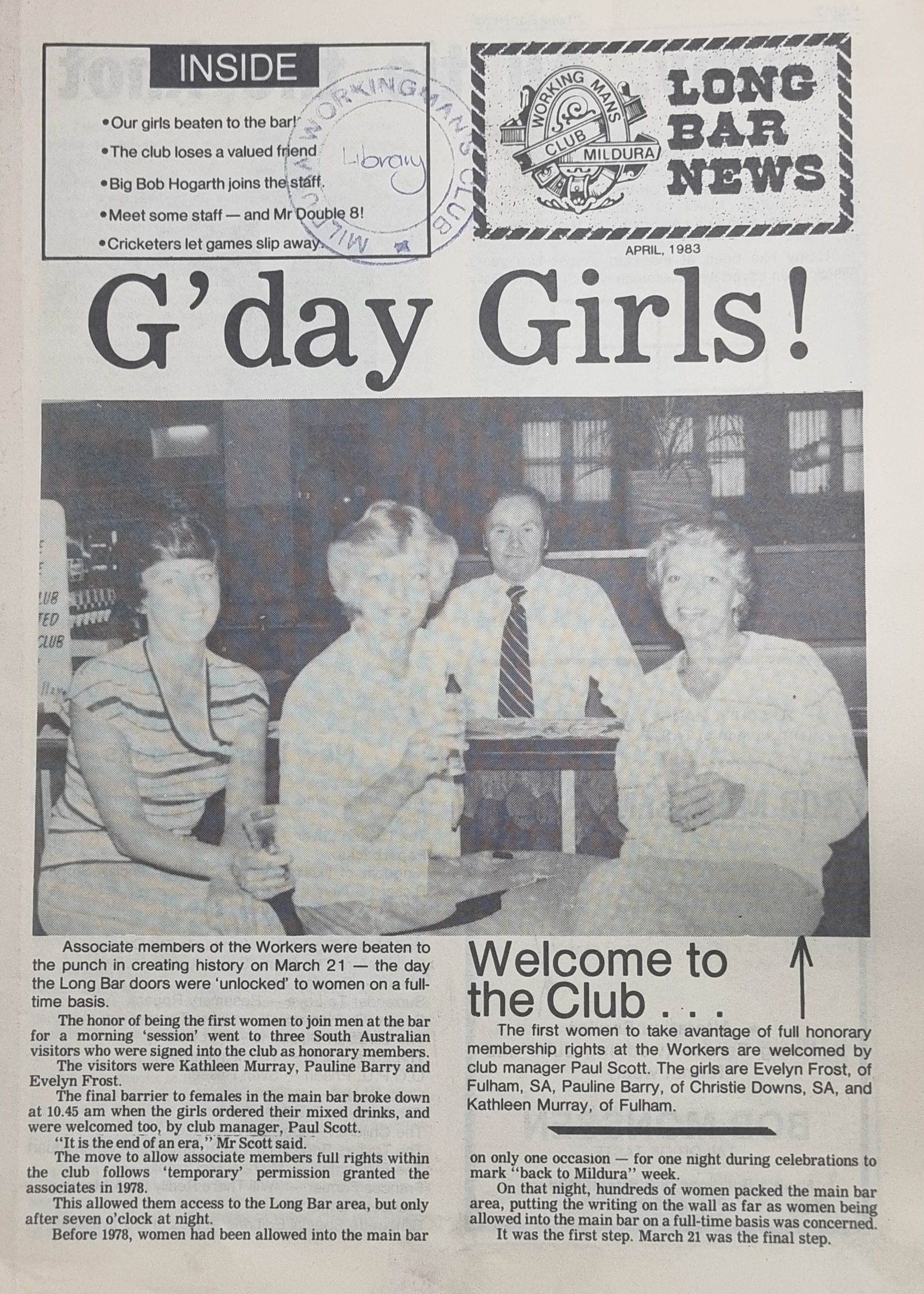
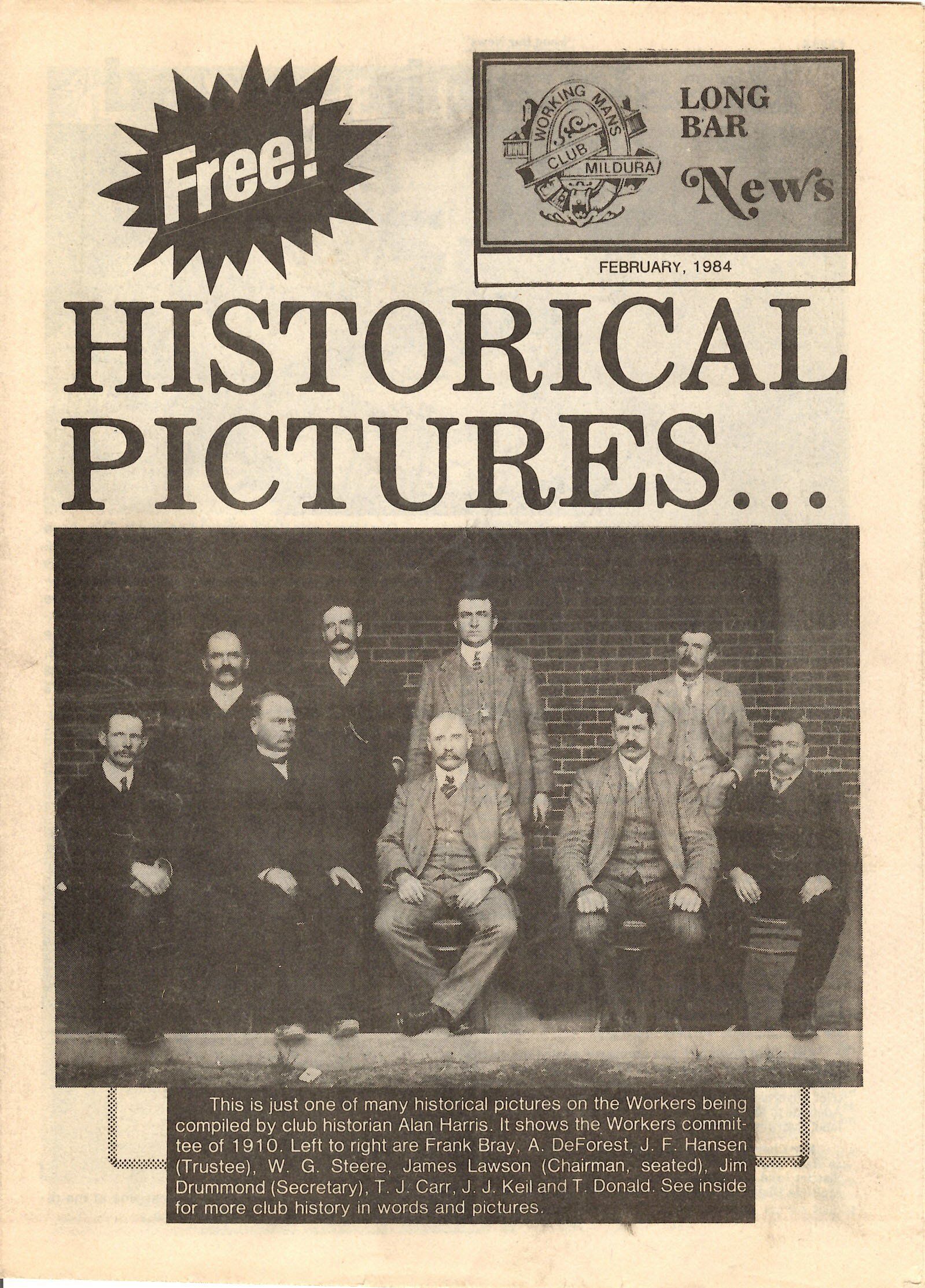
A landmark change saw women granted full and equal access to the Club. The first women to enjoy a drink at the Long Bar were three visitors from South Australia. Despite some negative reaction from a few, the admission of women was recognised as one of the most positive turning points in the club’s history. The conversation started in the 1980s with an article in the Long Bar News asking for members' opinions after its first female bar tender was appointed at this time.
Licensing Restrictions
Despite growing popularity, licensing restrictions at the time prevented non-members from purchasing alcoholic beverages. The Club’s appeal to amend this rule was unsuccessful.
Removal of the Long Bar
Due to economic pressures and changing regulatory conditions, the iconic Long Bar was progressively dismantled. It had become costly to maintain large staffing levels needed to service the long bar and all its taps. In early 1993, a portion was removed to accommodate new services. By the end of 1995, the longest bar was no more than a memory.
History of the Long Bar
From its beginnings in 1894, the Mildura Working Man’s Club became famous for its remarkable Long Bar, a 91-metre landmark once recognised for its record length and celebrated as a centrepiece of club life. Over the decades it served generations of members, supported a thriving social scene, and became an enduring part of the club’s identity; however, changing drinking habits, new regulations, financial pressures and the need for modern facilities eventually led to its removal in 1995, making way for the club’s next era of development.

The story of Ted Topham
Born in 1863 on Low Mowthorpe Farm in Yorkshire, Richard Edward “Ted” Topham came from a family with deep roots recorded as far back as the Domesday Book. With relatives already in Australia and New Zealand, he built a life in northern Victoria as a boundary rider—restless, patriotic, and drawn to something beyond hard work and routine.
In 1901 he understated his age to enlist with the 5th Victorian Mounted Rifles and sailed from Port Melbourne to fight in the Boer War. Months later, a surprise night attack at Wilmansrust in the Transvaal killed Ted and seventeen comrades and sparked a bitter controversy over leadership, discipline, and blame—an episode that shadowed reputations even as it revealed the costs borne by colonial soldiers. Back home, Ted was remembered not only as a fallen trooper, but as a working man who sought learning, honoured by the Mildura Working Man’s Club with a memorial tablet in its reading room.